In today’s world, diabetes and obesity have become two sides of the same coin. As lifestyles become more sedentary, and our diets loaded with processed foods, it’s not surprising that both conditions are rising hand in hand. What’s even more worrying is that obesity doesn’t just increase the risk of developing diabetes it also makes diabetes harder to control.
But here’s the good news modern medicine is evolving rapidly,
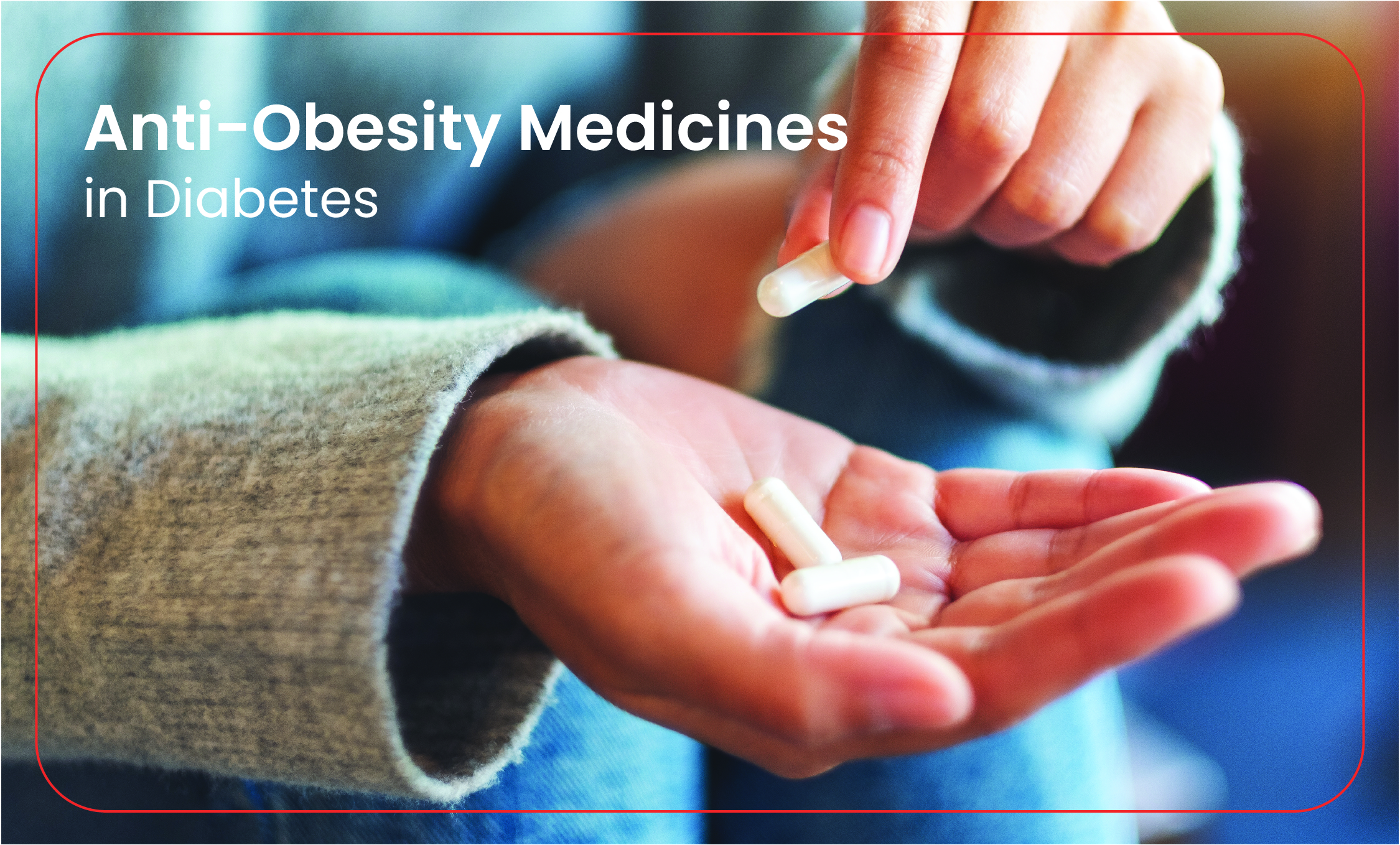
and anti-obesity medicines are proving to be a powerful new ally in diabetes care. These medicines don’t just help people lose weight; they can actually improve blood sugar control, reduce the need for insulin, and even lower the risk of diabetes-related complications.
Obesity, particularly abdominal obesity (fat around the belly), is one of the strongest risk factors for Type 2 Diabetes. Excess fat affects how your body uses insulin a hormone that helps control blood sugar. When your body becomes resistant to insulin, blood sugar levels start to rise, leading to diabetes.
So, if obesity is one of the main causes of diabetes, it makes perfect sense that treating obesity can help manage or even reverse diabetes.
Even a small amount of weight loss can have a huge impact on diabetes. Studies have shown that:
In However, many people with diabetes find it extremely difficult to lose weight. Why? Because diabetes and obesity create a vicious cycle:
In This is where anti-obesity medicines come in as a breakthrough option.
Anti-obesity medicines are prescription drugs designed to help people lose weight safely and effectively. They work in different ways — by suppressing appetite, slowing digestion, or changing how the body uses energy.
These medicines aren’t magic pills, but when combined with lifestyle changes like diet and exercise, they can lead to remarkable results.
There are several types of anti-obesity medications available, and some of them have shown incredible benefits for people with diabetes.
These medicines are often prescribed by specialists like Dr. Shreya Sharma, who provides Endocrinology consultation in Dehradun and helps patients understand how these advanced options fit into a personalized diabetes care plan.
SGLT2 inhibitors are often part of modern Diabetes treatment in Dehradun, especially for patients who need better control over both sugar levels and body weight.
Here’s where it gets really interesting anti-obesity medicines don’t just help you lose weight; they alsodirectly improve blood sugar control.
In In some cases, patients who use these medicines under expert guidance have been able to reduce or even stop other diabetes medications
When it comes to combining obesity and diabetes management, the expertise of an endocrinologist is crucial.
A specialist like Dr. Shreya Sharma, known as one of the best endocrinologists in Dehradun, brings in-depth understanding of how hormones, metabolism, and medications interact. During an Endocrinology consultation in Dehradun, she evaluates:
Based on this, a personalized plan is created that may include lifestyle modifications, anti-obesity medicines, and close monitoring.
When it comes to combining obesity and diabetes management, the expertise of an endocrinologist is crucial.
A specialist like Dr. Shreya Sharma, known as one of the best endocrinologists in Dehradun, brings in-depth understanding of how hormones, metabolism, and medications interact. During an Endocrinology consultation in Dehradun, she evaluates:
Based on this, a personalized plan is created that may include lifestyle modifications, anti-obesity medicines, and close monitoring.
These medicines are generally prescribed for:
However, they must always be taken under medical supervision. Self-medication can be dangerous.
During diabetes treatment in Dehradun, experts like Dr. Shreya Sharma carefully select the right medicine, monitor progress, and adjust doses as needed to ensure safety and long-term success.
It’s important to remember that anti-obesity medicines are not a shortcut. They work best when combined with:
The goal is sustainable, long-term health — not just quick fixes.
Obesity and diabetes often come with emotional challenges — frustration, low self-esteem, or even depression. Anti-obesity medicines can help by making weight loss achievable, which often boosts motivation and confidence. But psychological support remains essential.
That’s why experts like Dr. Shreya Sharma, a leading Diabetologist in Uttarakhand, focus not just on physical health but also on mental well-being during diabetes management.
Like all medications, anti-obesity drugs can have side effects, but most are manageable. Common side effects may include:
However, under proper medical supervision and gradual dose adjustment, these effects often reduce over time.
Diabetes and obesity are complex conditions but they are not unbeatable. The key is a comprehensive approach that combines:
With the advent of anti-obesity medicines, managing diabetes is no longer just about lowering blood sugar it’s about improving overall metabolic health and quality of life.
If you or someone you love is struggling with diabetes and weight issues, don’t lose hope. Help is available. Book an Endocrinology consultation in Dehradun with Dr. Shreya Sharma, the best endocrinologist in Dehradun, to explore advanced, evidence-based options for Diabetes treatment in Dehradun.