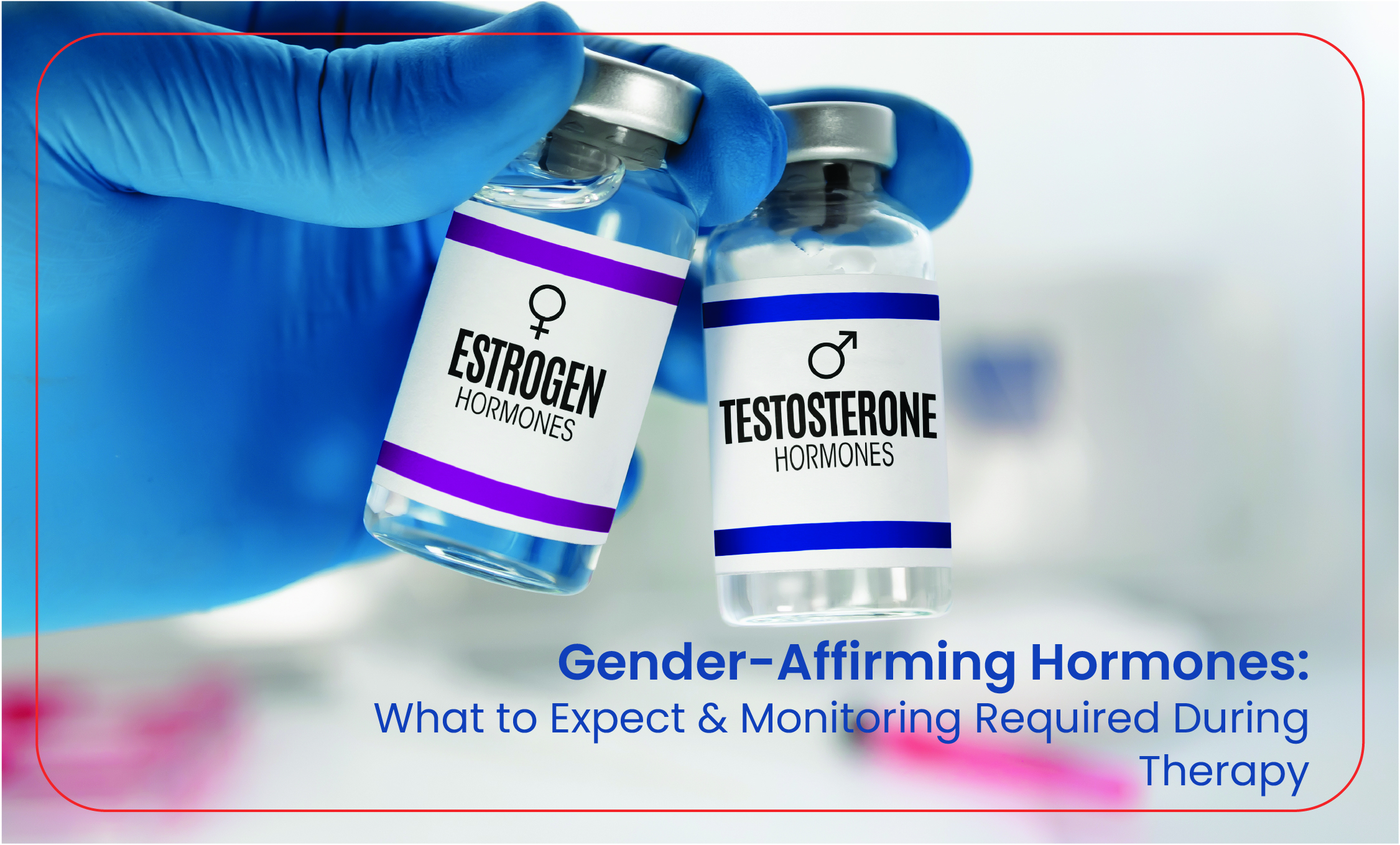
Gender-affirming hormone therapy is a major step in the journey of many transgender and non-binary people. It helps align the body with one’s gender identity, reduces gender dysphoria, and improves emotional well-being and quality of life. While it is a deeply personal and empowering process, it also requires the right guidance, regular monitoring, and professional support.
In cities like Dehradun, more people are now seeking expert endocrinology care for gender-affirming hormone therapy. Specialists such as Dr. Shreya Sharma, well-known for Diabetes treatment in Dehradun, PCOS treatment in Uttarakhand, thyroid care, and hormonal disorders, also provide safe and evidence-based support for transgender individuals beginning hormone therapy.
Gender-affirming hormone therapy (GAHT) uses specific hormones to help a person’s physical appearance and internal biology become more aligned with their gender identity.
It is commonly used by:
This therapy involves:
For people transitioning toward a more feminine appearance.
For people transitioning toward a more masculine appearance.
Because hormones affect almost every system in the body—metabolism, mood, reproductive organs, skin, hair, bones—it is essential to take therapy under the guidance of an experienced Hormone doctor in Dehradun or an endocrinologist.
This is where an expert like Dr. Shreya Sharma, a trusted Thyroid specialist in Dehradun and Diabetologist in Uttarakhand, ensures safe, personalised, and monitored treatment plans.
Many people mistakenly think hormone therapy is just about taking estrogen or testosterone.
In reality, it’s more complex.Hormones influence:
That’s why regular blood tests and check-ups are crucial.
This is especially important for individuals who may already be managing conditions like thyroid diseases, diabetes, PCOS, or metabolic disorders—areas where experts like Dr. Shreya Sharma specialize.
Safe hormone therapy = Correct dosage + Regular monitoring + Professional support.
Every person’s experience is unique. This journey requires patience and realistic expectations.
This is why monitoring by a trained Hormone doctor in Dehradun is important.
Masculinizing therapy mainly involves:
Deepening of the Voice
Facial & Body Hair Growth
Fat Redistribution
Muscle Mass Increases
Menstrual Periods Stop
Skin Becomes Oilier
Emotional Changes
Hormone therapy can reduce fertility in both:
Options include:
A proper consultation, such as an Endocrinology consultation Dehradun, helps individuals and couples make informed choices.
Monitoring ensures safety and effectiveness.
Initial Evaluation (Before Starting Therapy)
Doctors check:
Blood Tests Every 3 Months (First Year)
To check:
Blood Tests Every 6–12 Months (After Year 1)
Bone Density Tests
If hormone levels remain low or therapy is stopped.
Fertility Counseling
At various stages depending on individual goals.
Mental Health Monitoring
Hormone therapy brings emotional changes; psychological support is crucial.
Gender-affirming hormone therapy is safest and most effective under an experienced endocrinologist who understands hormonal health deeply, including thyroid issues, PCOS, diabetes, menstrual health, and metabolic conditions.
A specialist like Dr. Shreya Sharma, known for:
ensures that all aspects of health are monitored while transitioning.
Many individuals taking hormone therapy also face metabolic concerns like blood sugar imbalance, weight fluctuations, or PCOS-related issues, making an endocrinologist’s role even more vital.
Hormone therapy is not only a physical experience—it is an emotional journey too.
Some people may experience:
Open communication with the doctor helps manage these changes smoothly.
Nutrition Support
Balanced diet helps manage:
Exercise
Improves:
Avoid Smoking
Reduces risk of blood clots (especially for estrogen therapy).
Sleep & Stress Management
Mind-body wellness supports emotional stability.
Myth 1: You will change overnight
Fact: Changes happen gradually over months and years.
Myth 2: Hormone therapy is unsafe
Fact: It is safe when monitored by a professional.
Myth 3: You can self-medicate
Fact: Self-medication can be dangerous and life-threatening.
Myth 4: Hormones work the same for everyone
Fact: Every body reacts differently; dosage must be personalised.
You should consider Endocrinology consultation Dehradun if:
Early consultation ensures the safest approach
How Dr. Shreya Sharma Supports Gender-Affirming Hormone Therapy
As a leading Diabetologist in Uttarakhand and Hormone doctor in Dehradun, Dr. Shreya Sharma provides:
Her expertise in hormonal science makes her a trusted choice for individuals seeking safe transitioning under medical supervision.
Gender-affirming hormone therapy is a life-changing experience that helps individuals feel more aligned with their true selves.
While the journey is empowering, it also requires:
For anyone in Dehradun or Uttarakhand looking to begin gender-affirming hormone therapy, consulting an experienced endocrinologist like Dr. Shreya Sharma is one of the best decisions you can make for your long-term health.
With professional care, regular check-ups, and a personalised approach, hormone therapy becomes a safe and transformative journey toward authenticity, comfort, and well-being.